What to Do in the First 48 Hours After Hail or High Wind Hits Your Roof
The first two days after a storm decide how much damage you end up paying for, and most of the work happens before anyone climbs a ladder.
October 6, 2026 · 4 min read
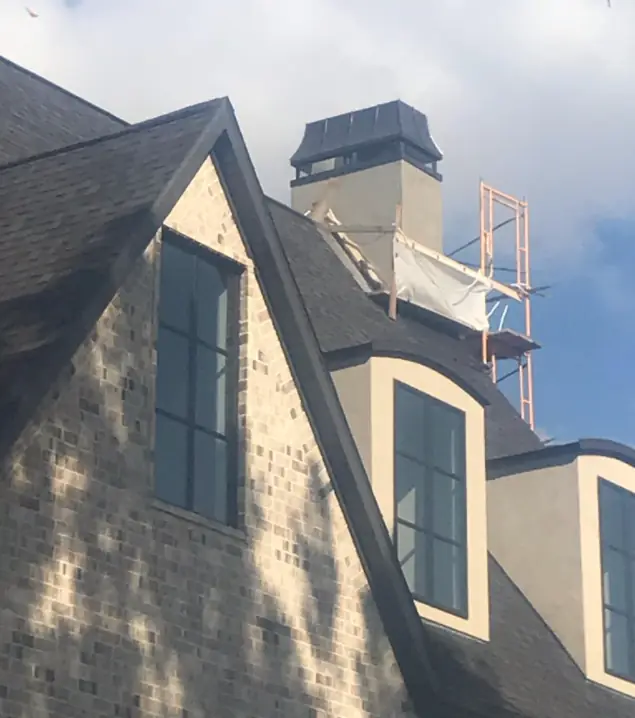
Northwest Arkansas gets its share of hard weather. A line of storms rolls through in the evening, the wind shakes the house, hail hammers the cars for ten minutes, and by morning you're standing in the yard looking up at a roof that might be fine or might be in trouble. The next two days matter more than most homeowners realize, and a good share of what matters happens before anyone climbs a ladder.
Start with safety, not shingles
Before you look at the roof, look for the things that can hurt someone. Stay clear of downed power lines and anything they might be touching. Check for limbs hanging over the house or the driveway. If a ceiling is sagging with trapped water, put a bucket under it and keep people out of that room.
Stay off the roof yourself. A roof is slick after rain, hail leaves loose granules that roll under your boots, and storm-weakened decking can give way under your weight. Nothing up there is worth a fall. Everything you need to see right now can be seen from the ground.
Photograph everything before you move anything
Take your pictures in daylight, wide first and then close. Walk the whole lot, not just the side that looks worst. You're building a record of what the storm did, so shoot:
- Dents in gutters, downspouts, fascia and drip edge
- Dings on roof vents, flashing, the garage door and the AC unit
- Shingle pieces, torn tabs or loose granules in the yard, driveway and gutters
- Damage to siding, windows, the fence and the deck
- Any new water stain on a ceiling or wall inside, with a ruler or coin for scale
Your phone stamps the date on every photo. That helps later whichever way things go. One caution: hail damage to asphalt shingles is hard to judge from the ground. A roof that looks clean in your pictures isn't proof that nothing happened up there. That's what an inspection is for.
Keep more water from getting in
If shingles are missing or a section of the roof is open, rain is the next problem. Most policies ask you to take reasonable steps to prevent further damage, so read yours or ask your insurer what yours says. A properly anchored tarp or a temporary patch will keep a storm-damaged roof dry until a real repair can be made.
The word is properly. A tarp that's only weighted down with a few boards will flap loose in the next gust and can tear more shingles off on its way. Tarps need to run over the ridge or be fastened to solid framing, with the edges folded and the fasteners kept out of the open field of the roof. Because that means working at height on a damaged surface, it's a job for a crew with the right gear. Keep every receipt for emergency work, and keep damaged materials if you can until the claim is settled.
Why you call a contractor before you file
For many people the first move is to call the insurance company. That's understandable, but there is a step that makes the whole process go better: finding out what's actually wrong with the roof before you describe it to anyone.
A roofer can tell you whether the damage is real, how far it spreads, and if the roof needs a repair or a full replacement. JMI Construction Group does roof inspections with state-certified inspectors, and their mitigation work covers wind and hail damage assessment, water leak detection and moisture remediation. Their own advice is simple: "Call us before filing your claim to make sure you are getting the best value." JMI also works directly with your insurance company on storm damage, so you aren't carrying the paperwork back and forth alone.
Watch for the slow leaks
Not every storm leak shows up the first night. Water that gets under a lifted shingle or around damaged flashing can run along the decking and soak insulation for weeks before a stain appears. In the days after a storm, check the attic with a flashlight on a dry afternoon and again during the next rain. Look for dark streaks on the underside of the decking, damp insulation, daylight where there shouldn't be any, and a musty smell. Check the ceilings under the chimney, the valleys and the vents too.
Catching moisture early matters because wet insulation and framing don't dry on their own in a closed attic. If you find it, photograph it and tell your contractor. It changes what needs to be repaired and in what order.
Your 48-hour checklist
- Hour 0 to 2: check for hazards, keep people out of damaged rooms, stay off the roof
- Hour 2 to 12: photograph the exterior and any interior water, in daylight
- Hour 12 to 24: arrange a temporary cover if the roof is open, and keep the receipts
- Hour 24 to 36: call a roofer for an inspection by a certified inspector
- Hour 36 to 48: read your policy for reporting deadlines, then decide how and when to file
None of this commits you to anything. It simply means that when you do make the call to your insurer, you know what you're talking about and you have the pictures to back it up.
If a storm just came through your part of Northwest Arkansas, JMI Construction Group can look at the roof and tell you what they find. See the roofing page at /roofing-2 or call (479) 544-2856.
JMI Construction Group LLC, (479) 544-2856
Call (479) 544-2856More articles
Why You Should Call a Contractor Before You File a Roof Insurance Claim
The first call you make after storm damage shapes everything that follows, and it works best when you already know what you're claiming.
What Sits Behind the Tile: How a Walk-In Shower Is Waterproofed
The part of a shower that keeps water out is the part nobody sees once the job is done.